LAS CRUCES, N.M. — As the federal government begins a phased reopening of the southern border to cattle imports from Mexico, New Mexico officials are increasing efforts to prepare ranchers and veterinarians for the potential spread of the New World screwworm.
New Mexico State University hosted a hands-on training workshop Tuesday in Las Cruces, where participants learned how to identify signs of infestation, inspect livestock for wounds, collect samples, and respond to potential cases of the parasitic pest.
The training comes as the U.S. Department of Agriculture continues easing restrictions on cattle imports from Mexico following a decline in screwworm cases. Earlier this week, the livestock port in Douglas, Arizona, reopened under strict inspection protocols. Federal officials have not yet announced reopening dates for the Santa Teresa and Columbus ports in New Mexico.
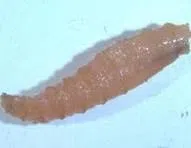
New World screwworm is a parasitic fly whose larvae infest open wounds and feed on the living tissue of warm-blooded animals, including livestock, wildlife, pets, and, in rare cases, humans.
Agricultural officials say the parasite has steadily moved north through Mexico over the past year, increasing concern among ranchers and livestock producers throughout the Southwest.
State and federal agencies are now focusing on early detection and rapid response measures. During the workshop, participants practiced inspecting animals from head to tail and identifying suspicious wounds that could indicate a screwworm infestation.
New Mexico has already recorded a confirmed case involving a dog. Officials say the animal recovered and the case is no longer active.
The training effort includes partnerships between NMSU, the New Mexico Department of Agriculture, USDA Wildlife Services, and the New Mexico Livestock Board, all of which are working to prepare personnel for potential future cases.
The issue is also attracting attention from New Mexico’s cattle industry, particularly as officials weigh the eventual reopening of livestock crossings at Santa Teresa and Columbus. Historically, thousands of cattle from Mexico move through those ports each week.
State officials say their goal is to prevent the parasite from becoming established in New Mexico while minimizing disruptions to livestock producers and interstate commerce.
While the screwworm poses a threat to animal health and the livestock industry, experts emphasize that it is considered an economic and animal health concern rather than a food safety issue.
For now, officials say continued surveillance, training, and rapid reporting remain key components of New Mexico’s response as federal agencies evaluate additional border reopenings.