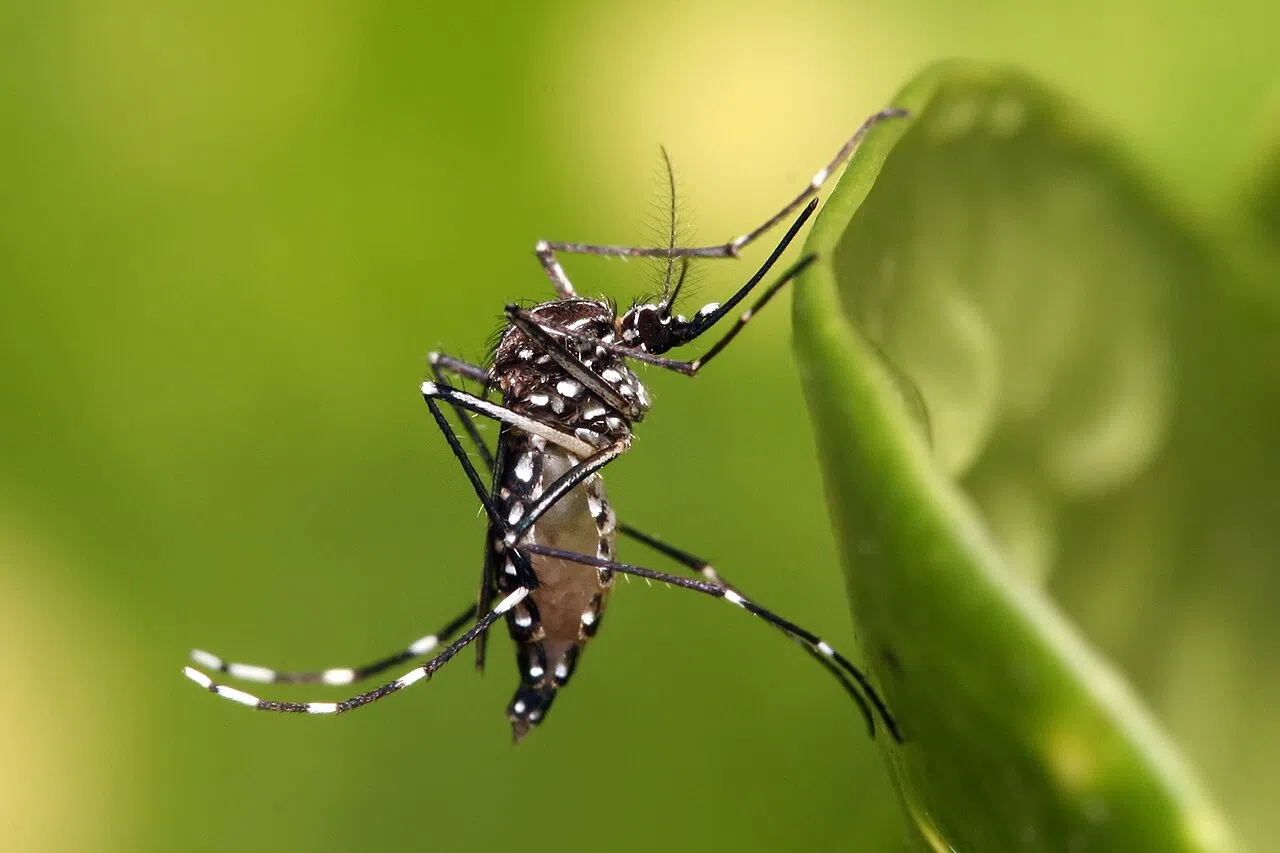
SANTA FE, N.M. — The New Mexico Department of Health is warning residents that this year’s mosquito season could extend later into the fall due to forecasts calling for above-average rainfall and warmer temperatures across the state.
Health officials say the extended season could increase exposure to West Nile virus, the most common mosquito-borne disease in New Mexico. While most cases are typically reported during late summer, experts say mosquitoes could remain active until the first hard freeze of the season.
According to the Department of Health, people with weakened immune systems may face a higher risk of developing severe illness from West Nile virus. Officials noted that recent studies have shown increased risk among people taking medications that affect the immune system, including certain B cell-depleting and B cell-modulating treatments.
State Public Health Veterinarian Dr. Erin Phipps said continued heat and moisture could allow mosquitoes to remain active through October.
West Nile virus is spread through the bite of an infected mosquito. Most people who become infected do not develop symptoms, but some can experience fever, headaches, weakness, loss of balance, or more serious neurological complications.
Health officials encourage residents to take precautions to reduce mosquito exposure, particularly during dawn and dusk when mosquitoes are most active.
The Department of Health says it will continue monitoring mosquito activity and West Nile virus activity throughout the season.