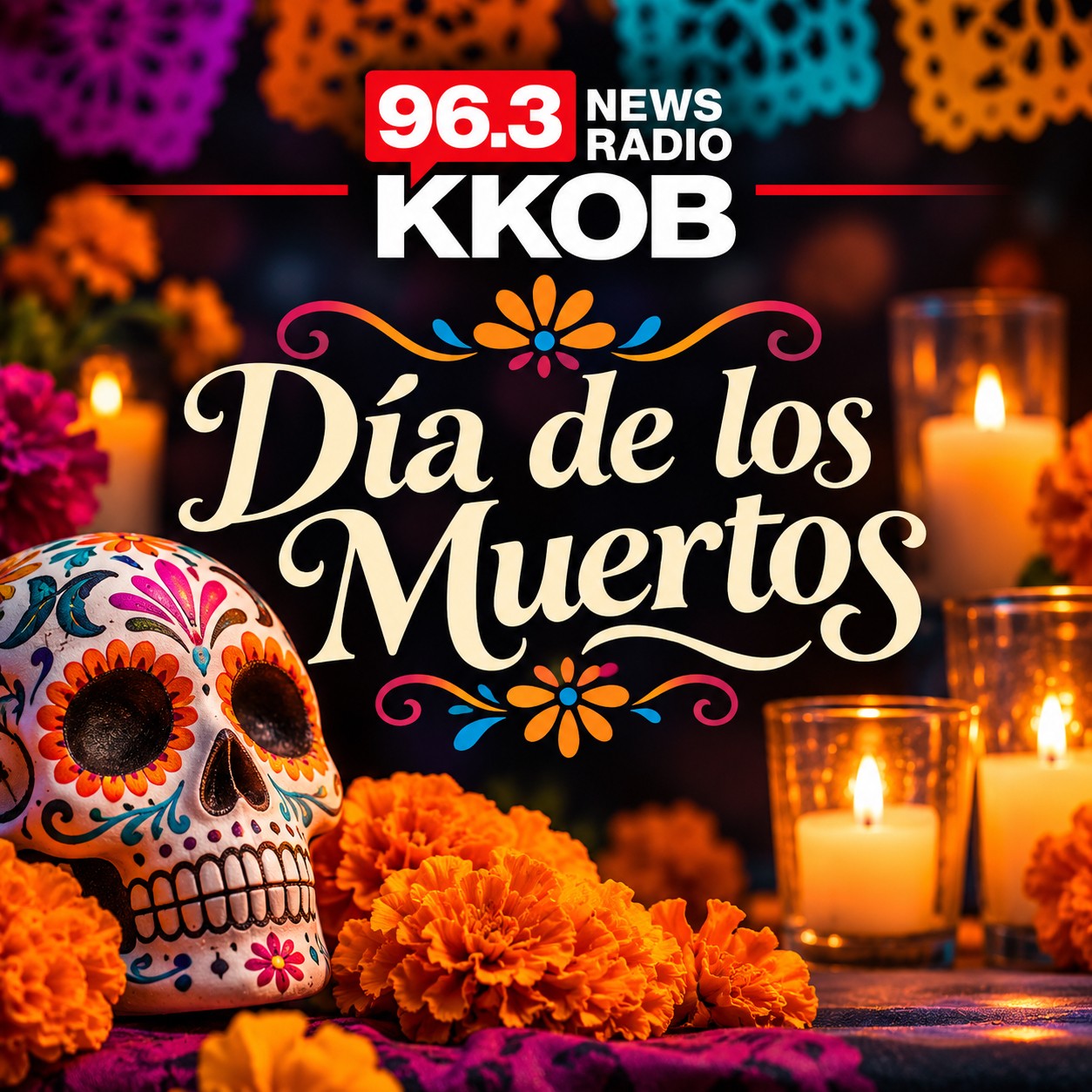
ALBUQUERQUE, N.M. — Communities across New Mexico are marking Día de los Muertos, or Day of the Dead, with ceremonies, altars, cultural events, and family gatherings honoring loved ones who have passed away.
Observed annually on November 1 and November 2, the tradition brings together Indigenous, Mexican, and Hispanic cultural influences centered on remembrance rather than mourning. The holiday celebrates the belief that deceased family members and friends return in spirit to visit loved ones during this time.
The observance is traditionally divided into two days. November 1, known as Día de los Angelitos, honors children who have died, while November 2, commonly known as Día de los Muertos, is dedicated to remembering adults.
A central feature of the holiday is the ofrenda, or memorial altar. Families build altars in homes, community centers, schools, and public spaces, decorating them with photographs, candles, marigold flowers, favorite foods, beverages, and personal items connected to those being remembered.
Traditional foods associated with the celebration include pan de muerto, a sweet bread baked specifically for the holiday, along with decorated sugar skulls known as calaveras.
Throughout New Mexico, cultural organizations, schools, museums, and community groups are hosting events featuring live performances, art exhibits, educational programs, and public altar displays. In Santa Fe, Día de los Muertos celebrations on the historic Plaza blend traditional observances with local cultural traditions, while communities throughout Albuquerque and other parts of the state are organizing remembrance ceremonies and family-focused activities.
Historians note that the holiday’s roots stretch back thousands of years to Indigenous civilizations of Mesoamerica, including Aztec traditions, before later blending with Catholic observances introduced during Spanish colonization.
Today, Día de los Muertos remains one of the most recognized cultural celebrations in New Mexico, offering families an opportunity to celebrate the lives, stories, and memories of loved ones while passing traditions to future generations.