TAOS, N.M. — The plan to raise the railings on the Rio Grande Gorge Bridge is moving forward, even as the New Mexico Department of Transportation (NMDOT) adjusts to a leadership change. A week after Transportation Secretary Ricky Serna resigned, the agency reaffirmed that the project remains a priority—and that work has already shifted into design.
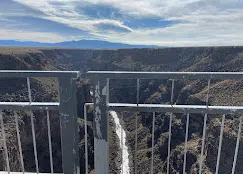
For years, the steel arch bridge west of Taos has drawn visitors for its sweeping views—and anguished calls for action from families, first responders, and advocates after repeated suicides at the site. Those calls intensified in 2025, when seven deaths were recorded, three of them in September, prompting rallies on the span and a public promise from state leaders to raise the barrier height.
NMDOT says that commitment stands. The department has allocated $8 million for higher, heavier railings designed to make it harder to climb over the current, hip‑high barrier. Officials say the project is in the design phase, which precedes competitive bidding and construction. The agency emphasized that Serna’s departure does not alter the scope or timeline now being developed.
The upgrades are more than a cosmetic swap. Engineering work envisions replacing portions of the sidewalk deck and installing new, taller railings with added weight and curvature—changes meant to deter impulsive acts and create time and distance at a location long identified as a high‑risk site. The department has also previously restricted sidewalk access as an interim step while design advances.
Community members who rallied at the bridge last year called for “concrete interventions now.” State officials framed higher barriers as one tool among many—paired with outreach and mental‑health resources—but one that can matter in the moment. The department’s message this week was concise: the plan is still on track, and the work to raise the rails is underway.
NMDOT’s designers are working toward a completed plan that can be put out to bid, with construction to follow once a contractor is selected. The agency says funding is already identified within its budget and recent appropriations. For now, motorists can expect the familiar canyon view—and a bridge that state engineers say is finally on the cusp of long‑awaited safety changes.